Switchboards
Switchboard upgrades in Takapuna
If your Takapuna home still has the switchboard it was built with, that board may be older than you are. We replace tired fuse boards with modern circuit breakers and residual current devices, make room for the circuits a home needs today, and leave you with the certificates that prove the work.
Why so many Takapuna switchboards are due
Takapuna was wired in waves. From 1924 the Waitemata Electric Power Board was responsible for supplying electricity to the North Shore and West Auckland, and from the 1930s the old holiday baches gave way to permanent houses. The biggest wave came after the Harbour Bridge opened in 1959, when farmland across the Shore was turned into housing and Takapuna grew fast enough to become a city in 1961. A house built in that boom and never rewired may well have a switchboard fifty or sixty years old.
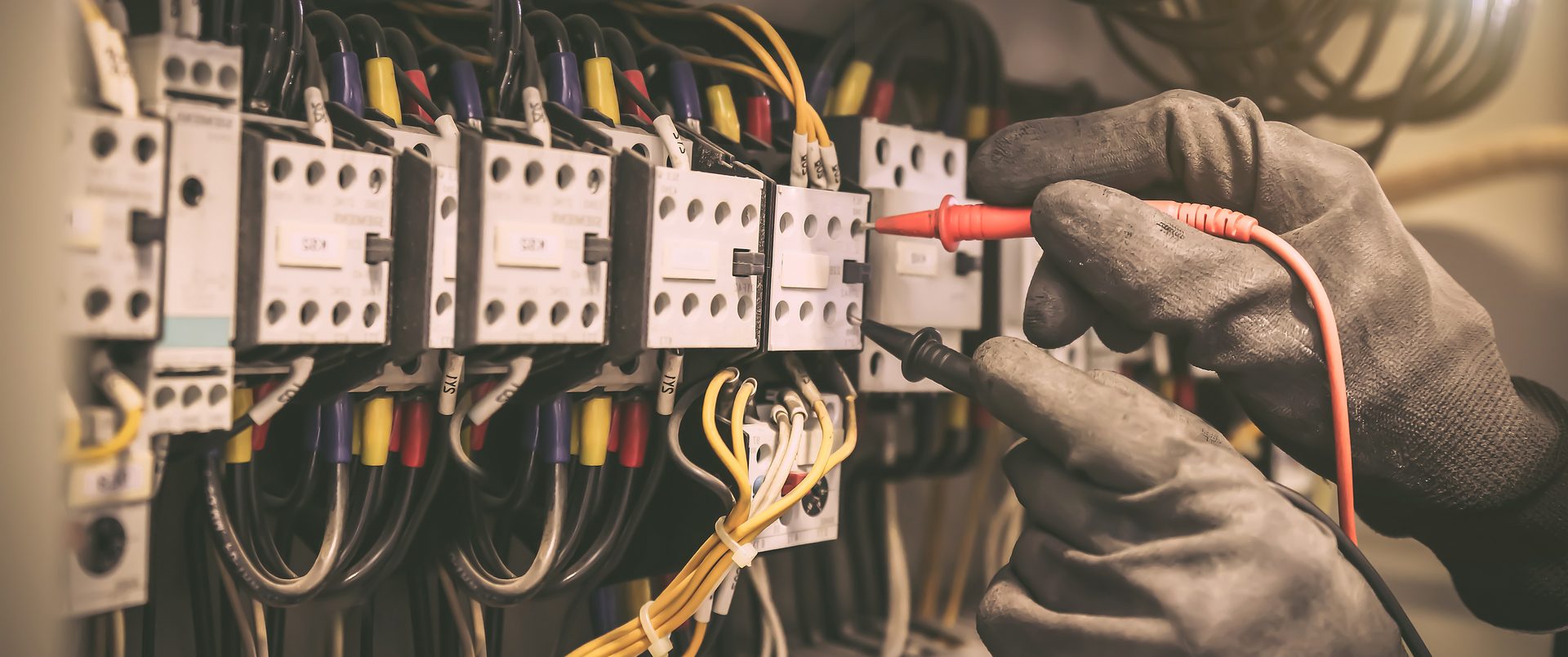
Older boards were designed for a handful of lights, a range and a few sockets. They often use rewireable fuses in ceramic carriers, have no residual current device (RCD) at all, and have no spare space for a new circuit. Today the same house may run a heat pump, an induction cooktop, a home office and a garage full of tools. Signs that a board is struggling include fuses that blow often, a board or meter box that feels warm or smells hot, scorch marks around a fuse, and lights that dim when a large appliance starts. If you are planning a heat pump installation, check the board first.
What a switchboard upgrade involves
Look at the board and the house
We open the board, check the condition of the mains, the earth and the existing circuits, and ask what you plan to add in the next few years.
Plan the new layout
Circuits are split sensibly, RCD protection is planned for them, and space is left for the circuits you will want later.
Change the board over
The power is off while the board is replaced and each circuit is reconnected and labelled. We tell you beforehand how long to plan for.
Test, inspect and certify
Every circuit is tested. Where the upgrade counts as high-risk work, as installing a higher-capacity board does, a licensed electrical inspector checks it, and we arrange that. You receive the certificate for the job.
The paperwork the law asks for
A switchboard upgrade is not a job to do on the cheap or off the books. WorkSafe's guide to getting electrical work done explains that electricians must issue a Certificate of Compliance for fixed wiring work, and that the law requires some work to be inspected, particularly work on the main switchboard, the main cable and the main earth. The electrician is the one responsible for arranging the licensed electrical inspector.
WorkSafe also suggests asking to see an electrician's practising licence and keeping your certificates and inspection report somewhere safe, because an insurer may ask for them and so may a buyer when you sell.
Apartments, meters and the line from the street
Not everything near your switchboard is yours to change. Vector, the local lines company, generally owns the lines up to the point of supply, usually an isolating fuse on your boundary or the nearest pole. The service line from there to the meter belongs to the property owner, while the meter itself and the hot water relay are the responsibility of the electricity retailer.
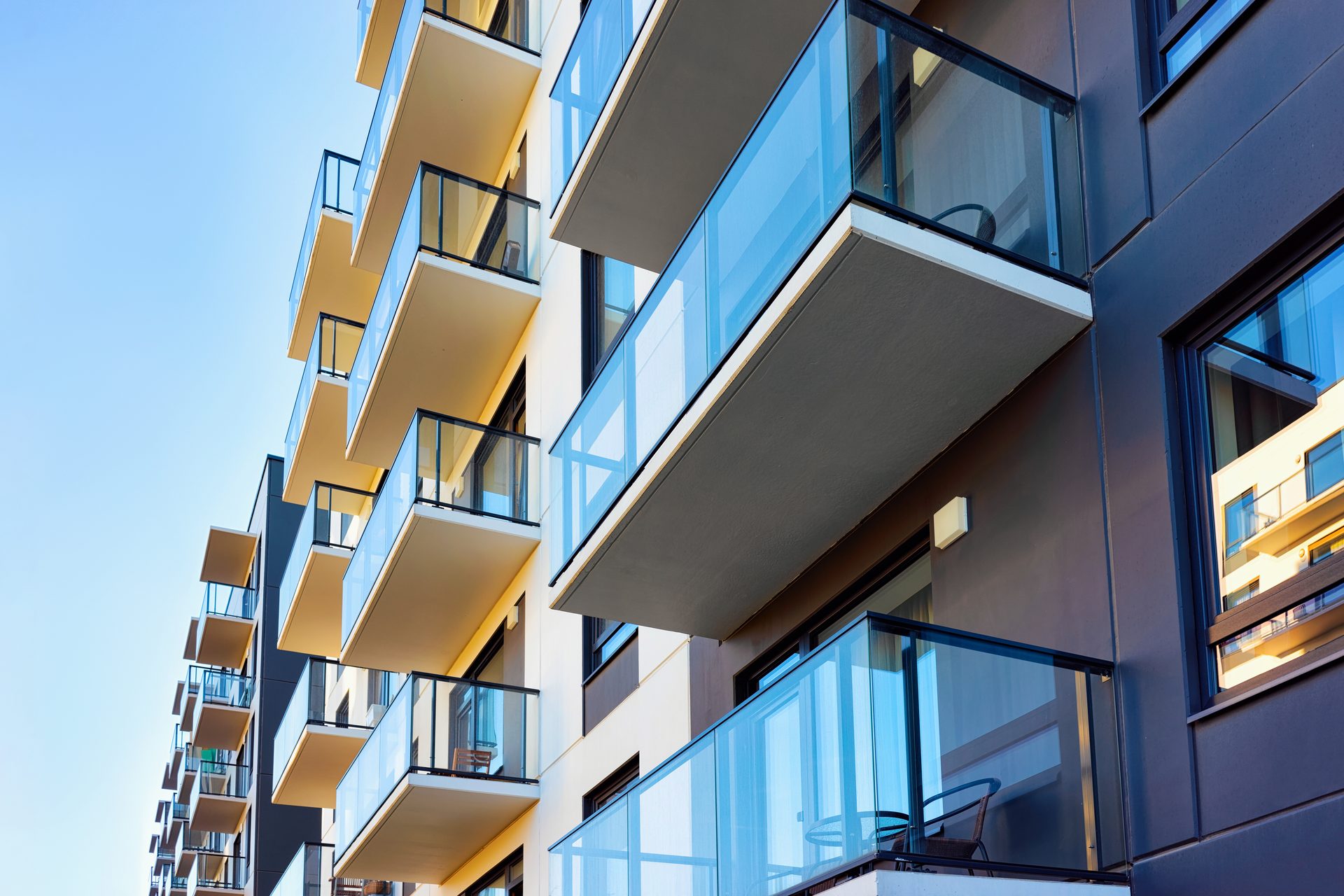
In an apartment building there are usually two levels of board: the building's main switchboard, which is shared infrastructure looked after by the body corporate, and the smaller distribution board inside each unit. We can upgrade the board in your unit, and our apartment electrician page explains when the body corporate needs to be involved.
Switchboard questions
Does a switchboard upgrade need an inspection?
Usually. The Electrical Workers Registration Board classes installing a higher-capacity board for increased use as high-risk work that must be inspected, and the same goes for relocating a board where the mains are extended or rerouted. Replacing a damaged part like for like is low-risk repair work. When an inspection is needed we arrange the licensed electrical inspector and give you their report along with our certificate.
What does an RCD actually do?
A residual current device watches the current going out on a circuit and the current coming back. If some of it is leaking to earth, for example through a person touching a faulty appliance, it switches the circuit off very quickly. Older fuse boards usually have none.
Can I add a heat pump without upgrading the board?
Sometimes. It depends on whether there is space for a new circuit and whether the supply and the existing board can carry the extra load. We check both before you commit to a heat pump.
My fuse keeps blowing. Is that the board or the appliance?
It can be either, or the wiring between them. Repeatedly replacing fuse wire hides the cause, so call us on 021 156 4005 and we will find it.
What if the wiring is as old as the board?
We look at the cabling while the board is open. If the insulation has gone brittle or the circuits have no earth, we will tell you, and explain whether some circuits or the whole house should be rewired.
Talk to an electrician about your Takapuna job
Call 021 156 4005 at any hour, or send the details below and we will get back to you.
Related services in Takapuna
Apartment electrical work
Repairs, new circuits, lighting and heat pumps inside apartments, planned around the body corporate and the building manager.Read more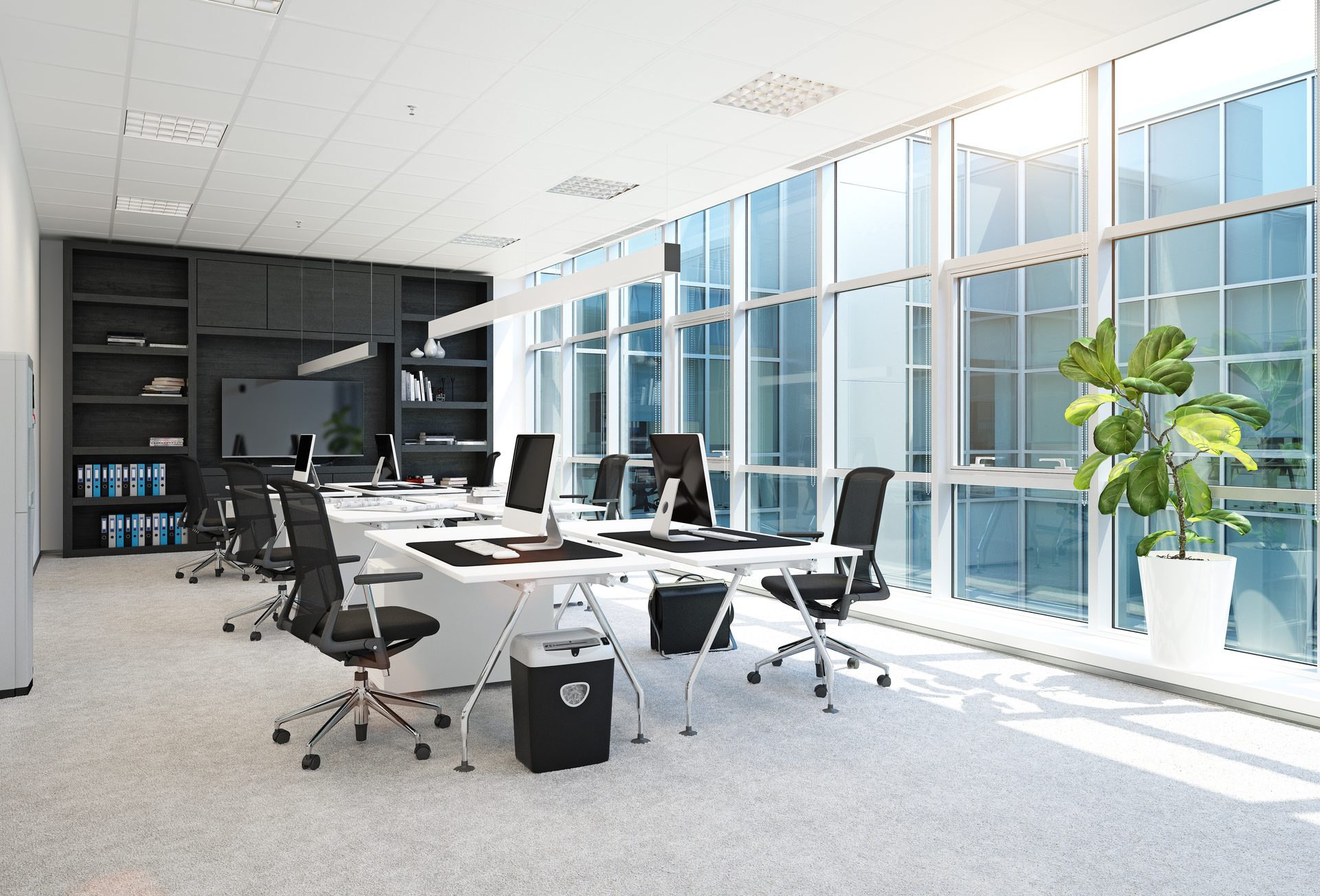
Commercial electrician
Electrical work for offices, shops and hospitality venues in and around the Takapuna town centre.Read more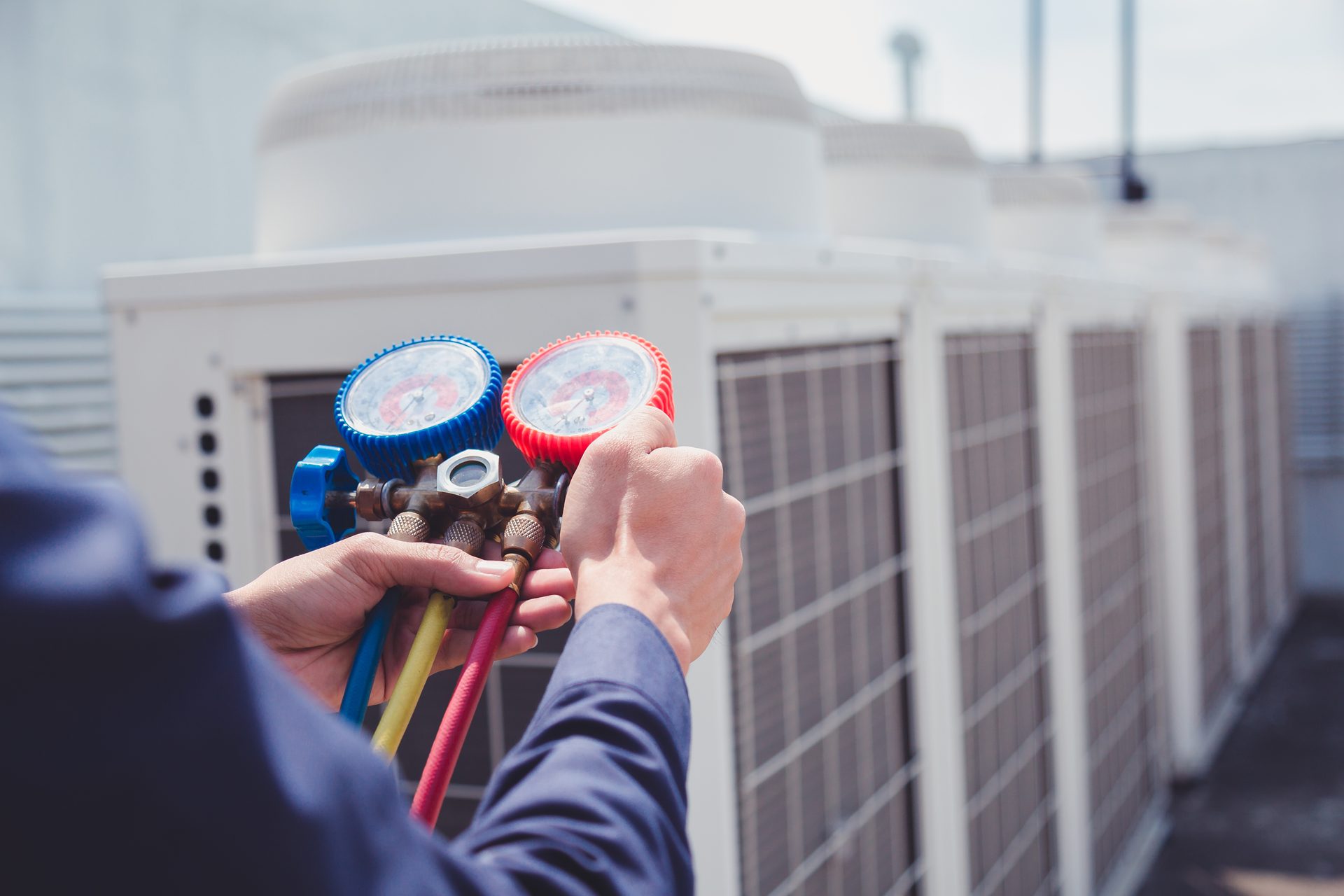
Heat pump installation
Heat pumps installed and wired for houses and apartments, with the outdoor unit placed for airflow and the sea air.Read more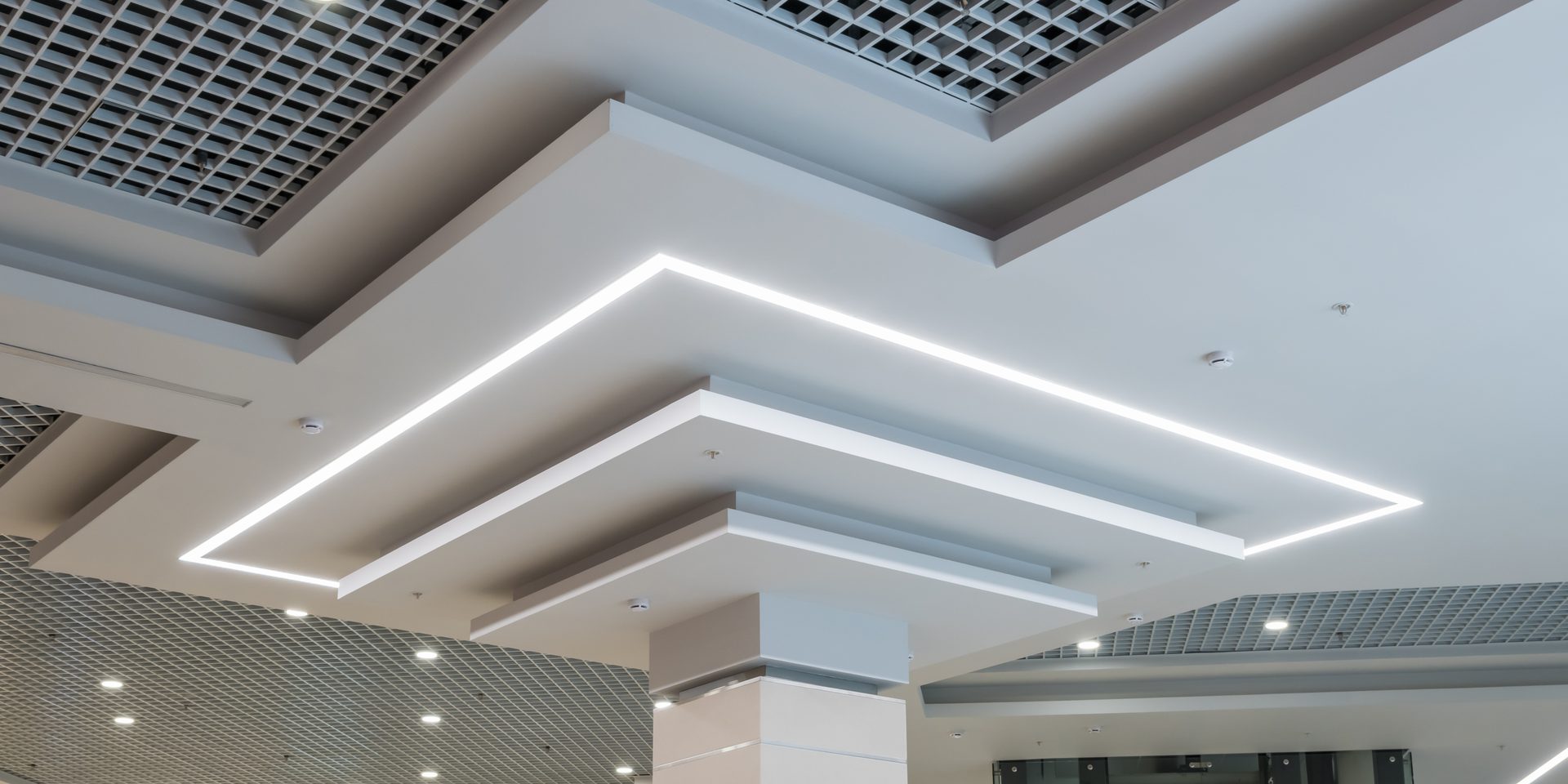
LED lighting
LED downlights, strip lighting and lighting controls for homes, offices and shopfronts.Read more
Data cabling and fibre
Network points, patch panels and cabling from the fibre connection to the rooms that need it.Read more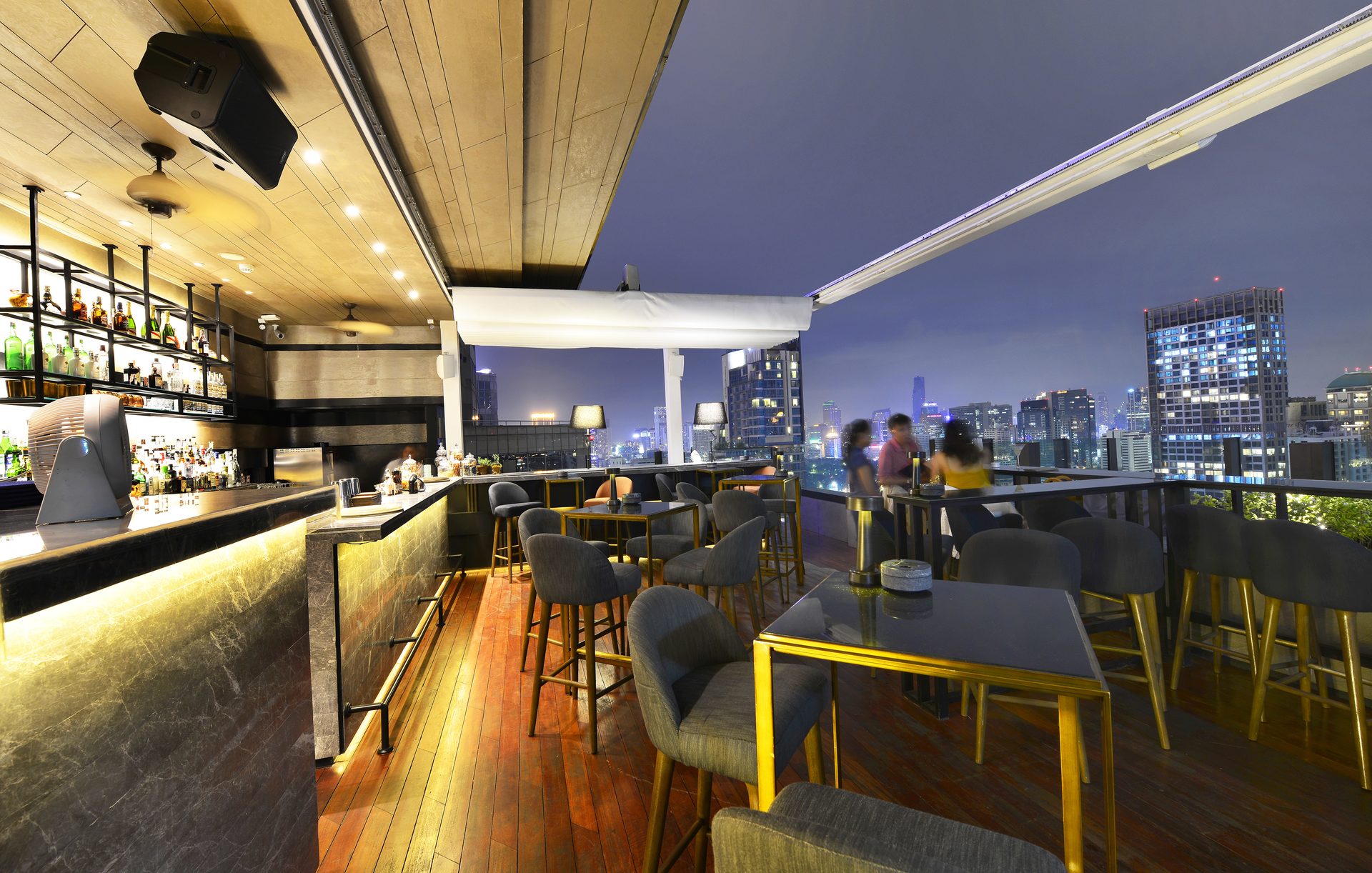
Emergency electrician
Electricians available for call-outs 24 hours a day, 7 days a week, for homes and businesses.Read moreEnquiries
Contact us
Call 021 156 4005, or tell us what needs doing and where, and we will get back to you.
021 156 4005- Auckland
- Call-outs at any hour, any day of the week